Roof Inspection Guide: Ensuring A Solid Roof Foundation

A roof is more than just a covering for your home. It is your first line of defense against the elements. A well-maintained roof protects your family and belongings from rain, snow, wind, and sun. However, many homeowners overlook the importance of regular roof inspections. This guide will help you understand why roof inspections are essential and how to conduct them effectively.
Regular roof inspections can save you money in the long run. They help identify potential issues before they become major problems. A small leak can lead to significant water damage if left unchecked. By inspecting your roof regularly, you can catch these issues early and address them promptly.
In this guide, we will cover the following topics:
Why Roof Inspections Matter
When to Inspect Your Roof
How to Inspect Your Roof
Common Roof Problems to Look For
Hiring a Professional Inspector
Maintaining Your Roof After Inspection
Let’s dive in and ensure your roof remains a solid foundation for your home.
Why Roof Inspections Matter
Roof inspections are crucial for several reasons. First, they help maintain the integrity of your roof. A strong roof keeps your home safe and secure. Regular inspections can identify wear and tear, allowing you to make necessary repairs.
Second, roof inspections can extend the life of your roof. Most roofs last between 20 to 30 years, but neglect can shorten that lifespan. By catching issues early, you can avoid costly replacements.
Lastly, roof inspections can improve your home’s energy efficiency. A well-maintained roof helps regulate temperature, reducing heating and cooling costs. This can lead to significant savings on your energy bills.
When to Inspect Your Roof
Timing is essential when it comes to roof inspections. Here are some key times to consider:
Seasonal Inspections: Inspect your roof at least twice a year, ideally in the spring and fall. This allows you to catch any damage caused by winter weather or summer storms.
After Severe Weather: If your area experiences heavy rain, hail, or strong winds, inspect your roof afterward. These conditions can cause hidden damage that may not be immediately visible.
Before Selling Your Home: If you plan to sell your home, a roof inspection can provide peace of mind to potential buyers. It shows that you have taken care of your property.
After Major Repairs: If you have recently had repairs done, inspect your roof to ensure everything was completed correctly.
How to Inspect Your Roof
Inspecting your roof can be done safely and effectively with a few simple steps. Here’s how:
Gather Your Tools: You will need a sturdy ladder, a flashlight, and a notepad to take notes.
Safety First: Always prioritize safety. If you are uncomfortable on a ladder, consider hiring a professional.
Start with the Ground: Before climbing up, look at your roof from the ground. Check for any visible damage, such as missing shingles or sagging areas.
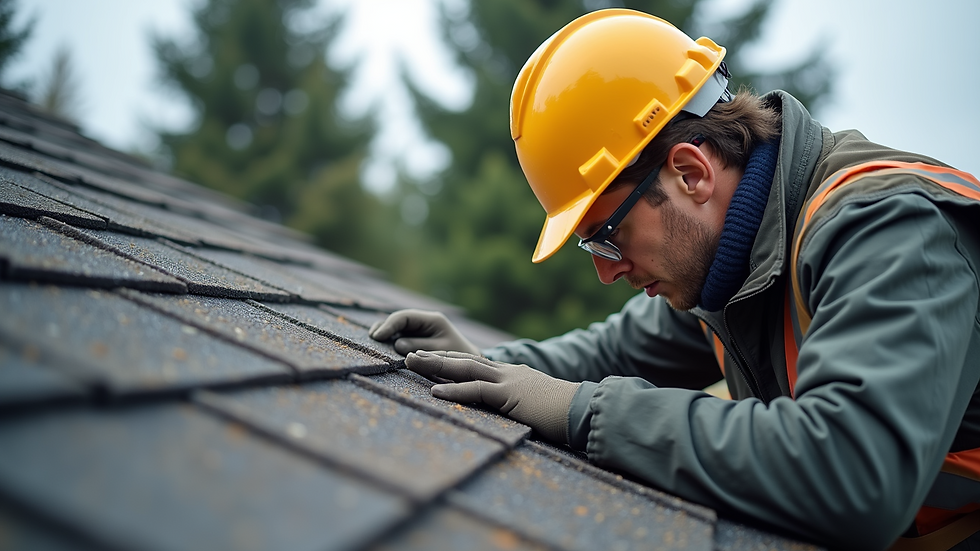
Climb the Ladder: Once you feel safe, climb the ladder to get a closer look. Inspect the roof for any signs of damage, such as cracks, blisters, or missing shingles.
Check the Flashing: Flashing is the material that seals joints and prevents water from entering. Ensure it is intact and not rusted or damaged.
Look for Debris: Remove any leaves, branches, or other debris that may have accumulated on your roof. This can trap moisture and lead to mold growth.
Inspect Gutters and Downspouts: Ensure your gutters are clear and functioning correctly. Clogged gutters can cause water to back up and damage your roof.
Document Your Findings: Take notes on any issues you find. This will help you keep track of repairs and maintenance.
Common Roof Problems to Look For
During your inspection, keep an eye out for these common roof problems:
Missing or Damaged Shingles: Shingles can become loose or break over time. Look for any that are missing or cracked.
Leaks: Check for water stains on the ceiling or walls inside your home. This can indicate a leak in your roof.
Moss or Algae Growth: Moss and algae can trap moisture, leading to roof damage. If you see any growth, consider cleaning it off.
Ponding Water: If you notice water pooling on your roof, it can lead to leaks and structural damage. Ensure your roof has proper drainage.
Sagging Areas: If you see any sagging spots, it could indicate structural issues. This requires immediate attention.
Hiring a Professional Inspector
While DIY inspections are helpful, hiring a professional can provide a more thorough assessment. Here are some benefits of hiring an expert:
Experience: Professionals have the training and experience to identify issues that may not be visible to the untrained eye.
Safety: Climbing on a roof can be dangerous. Professionals have the right equipment and safety training to perform inspections safely.
Detailed Reports: A professional inspector can provide a detailed report of their findings, including photos and recommendations for repairs.
When hiring a professional, look for someone with good reviews and proper certifications. Ask for references and check their credentials to ensure you are getting a qualified inspector.
Maintaining Your Roof After Inspection
Once you have completed your inspection, it is essential to maintain your roof. Here are some tips to keep your roof in good condition:
Regular Cleaning: Keep your roof clean by removing debris and moss. This will help prevent damage and extend its lifespan.
Trim Overhanging Branches: If you have trees near your home, trim any branches that hang over your roof. This will prevent damage from falling branches and reduce debris accumulation.
Check for Leaks: After heavy rain or storms, check your roof for leaks. Address any issues immediately to prevent further damage.
Schedule Regular Inspections: Make roof inspections a part of your home maintenance routine. Regular checks can help you catch issues early.
Invest in Repairs: If you find any problems during your inspection, do not delay repairs. Addressing issues promptly can save you money in the long run.
Final Thoughts
A solid roof is essential for a safe and comfortable home. Regular inspections can help you maintain your roof and catch issues before they become major problems. By following this guide, you can ensure your roof remains a strong foundation for your home.
Remember, whether you choose to inspect your roof yourself or hire a professional, the key is to stay proactive. A little effort now can save you time, money, and stress in the future. So grab your ladder, take a look at your roof, and keep it in top shape. Your home will thank you for it.


Comments